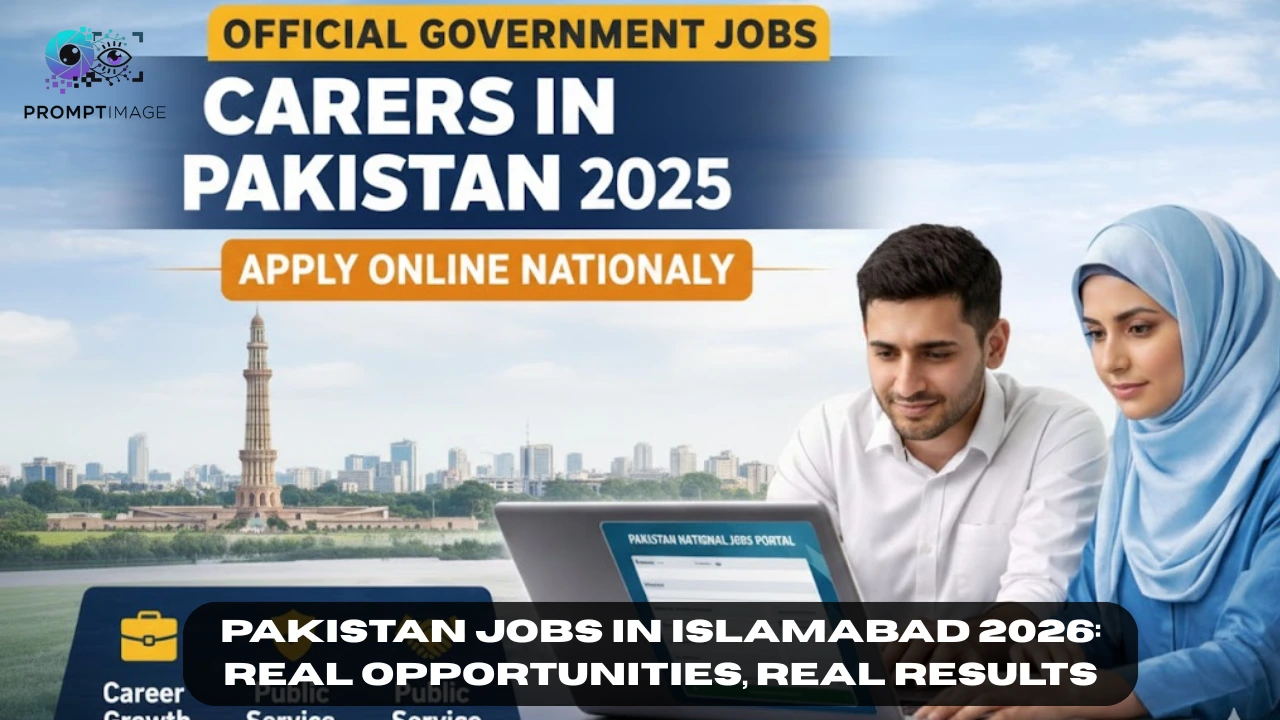
Pakistan jobs in Islamabad 2026 seem like everyone’s talking about them, but finding actual openings feels like searching for treasure without a map, right? You’ve probably spent hours refreshing job boards, only to find the same expired listings or positions asking for 10 years of experience for an entry-level role. Yeah, been there.
Here’s what’s actually happening on the ground: Islamabad’s employment landscape is changing faster than most people realize. New ministries are expanding, tech companies are setting up shop in droves, and international organizations are hiring local talent like never before. But you won’t find most of these opportunities on the usual job sites everyone checks.
This isn’t another recycled article promising you the world. I’m going to show you exactly where the real jobs are, what they actually pay, and most importantly—how people are actually getting hired in 2026.
Why Islamabad Remains Pakistan’s Job Hub in 2026
You might wonder why everyone keeps talking about Islamabad when Karachi and Lahore have bigger populations. The answer is simple: concentration of opportunities.
Islamabad houses the federal secretariat, diplomatic missions from over 100 countries, leading educational institutions, tech startups, and multinational corporations. This unique mix creates a job ecosystem that’s both stable and innovative. Unlike other cities where industries dominate specific sectors, Islamabad offers diversity—from teaching positions at international schools to cybersecurity roles in emerging tech companies.
The city’s infrastructure development continues at full speed. The new metro expansion, smart city initiatives, and construction of IT parks mean one thing: jobs. Lots of them. Construction managers, civil engineers, urban planners, IT specialists, and administrative staff are all in high demand.
Government Sector Opportunities
Government jobs still hold their charm, and honestly, who can blame job seekers? The pension, medical benefits, and job security are unmatched. In 2026, federal ministries are expanding their workforce, particularly in:
- Ministry of Information Technology and Telecommunication (hiring data analysts and software developers)
- Federal Board of Revenue (recruiting tax inspectors and auditors)
- Pakistan Telecommunication Authority (looking for regulatory experts)
- Capital Development Authority (seeking urban planners and engineers)
- Federal Public Service Commission (multiple departments hiring)
The application process has become more transparent. Gone are the days when you needed “references” just to get your application seen. Most government departments now use online portals, and merit-based selection is the norm rather than the exception.
Private Sector Growth Areas
The private sector in Islamabad isn’t sleeping either. Several industries are booming:
Technology and Software Development: Tech companies are mushrooming in sectors I-9, I-10, and the new IT parks. If you know Python, JavaScript, or mobile app development, companies are literally competing for your skills. Salaries for mid-level developers now range from PKR 80,000 to PKR 150,000 monthly.
Education and Training: International schools, online learning platforms, and coaching centers can’t find enough qualified teachers. Subject specialists in Mathematics, Sciences, and English are particularly sought after.
Healthcare: Hospitals and clinics are expanding. Nurses, medical technologists, pharmacists, and healthcare administrators are needed across dozens of facilities.
Banking and Finance: Islamic banking is growing rapidly, and conventional banks are opening new branches. Relationship managers, credit analysts, and compliance officers top the hiring lists.
Top Employers Hiring in Islamabad 2026
Let me break down who’s actually hiring right now:
Government Organizations:
- Federal Board of Revenue
- Pakistan Software Export Board
- National Database and Registration Authority (NADRA)
- Pakistan Atomic Energy Commission
- National Accountability Bureau
Private Companies:
- Systems Limited (IT services)
- Netsol Technologies (software development)
- Engro Corporation (management trainees)
- Faysal Bank (banking operations)
- Shifa International Hospital (healthcare)
International Organizations:
- World Bank (consultancy positions)
- UNDP Pakistan (project coordinators)
- Save the Children (field officers)
- International Rescue Committee (program managers)
These aren’t just names I pulled from thin air. These organizations have active recruitment campaigns, and their HR departments are genuinely looking for talent.
How to Actually Find Jobs (Beyond the Usual Suspects)
Everyone knows about Rozee.pk and Indeed. But let me share strategies that actually work:
LinkedIn Networking: I know it sounds cliché, but hear me out. Islamabad’s professional community is tight-knit. Connect with alumni from your university, join groups like “Islamabad Professionals Network,” and engage with posts from companies you admire. Don’t just send connection requests—write personalized messages. It works.
Company Websites Directly: Most serious organizations post openings on their careers page before anywhere else. Bookmark the careers sections of your target companies and check them weekly. Set up Google Alerts for “[Company Name] careers Islamabad” to get notified immediately.
Government Job Portals: For federal positions, bookmark these official sites—FPSC (fpsc.gov.pk), FTS (fts.gov.pk), and ministry-specific portals. These update regularly, and applications close fast.
Networking Events: Islamabad hosts career fairs, industry conferences, and networking meetups monthly. The Islamabad Chamber of Commerce & Industry (ICCI) organizes job fairs where you can meet HR managers face-to-face. Your resume handed directly to a hiring manager beats 100 online applications.
Recruitment Agencies: Professional agencies like Rozee.pk Talent Hunt, Mustakbil.com, and BrightSpyre maintain databases and actively match candidates with employers. Register with them and keep your profile updated.
Salary Expectations: What Can You Actually Earn?

Let’s talk money because that’s what pays the bills:
Entry-Level Positions (0-2 years experience):
- Government jobs: PKR 35,000 – PKR 50,000
- Private sector: PKR 40,000 – PKR 70,000
- Tech startups: PKR 50,000 – PKR 90,000
Mid-Level Positions (3-7 years experience):
- Government jobs: PKR 60,000 – PKR 100,000
- Private sector: PKR 80,000 – PKR 150,000
- Tech industry: PKR 120,000 – PKR 250,000
Senior-Level Positions (8+ years experience):
- Government jobs: PKR 120,000 – PKR 200,000
- Private sector: PKR 150,000 – PKR 350,000
- Management positions: PKR 250,000 – PKR 500,000+
These figures reflect 2026 market realities. Tech professionals and specialists can command higher salaries, especially if you have certifications in cloud computing, data science, or cybersecurity.
Skills That Actually Matter in 2026
Degrees matter, but skills matter more. Here’s what employers really want:
Technical Skills:
- Programming languages (Python, Java, JavaScript)
- Data analysis (Excel advanced, SQL, Tableau)
- Digital marketing (SEO, social media management)
- Graphic design (Adobe Suite, Figma)
Soft Skills:
- Communication (written and verbal English and Urdu)
- Problem-solving abilities
- Team collaboration
- Adaptability to change
Invest in online courses from Coursera, Udemy, or local platforms like DigiSkills Pakistan. Certifications add weight to your resume and show you’re serious about continuous learning.
Government Jobs vs. Private Sector: Making the Right Choice
This comparison should help you decide:
| Factor | Government Jobs | Private Sector |
| Job Security | Excellent | Variable |
| Salary Growth | Slow but steady | Fast for performers |
| Work-Life Balance | Generally better | Depends on company |
| Benefits | Comprehensive | Company-specific |
| Career Growth | Seniority-based | Merit and performance |
| Entry Process | Lengthy exams | Faster interviews |
Your choice depends on your personality and goals. Want stability and predictable growth? Go government. Want rapid advancement and higher earning potential? Private sector is your arena.
Common Mistakes Job Seekers Make (And How to Avoid Them)
I’ve seen brilliant candidates sabotage their chances. Don’t be that person:
Sending Generic Resumes: Customize your CV for each application. Highlight experiences relevant to that specific job. A generic resume screams “I’m mass-applying everywhere.”
Ignoring Cover Letters: When a job posting asks for a cover letter, write one. It’s your chance to show personality and genuine interest.
Poor Interview Preparation: Research the company, practice common interview questions, and prepare questions to ask them. Walking in unprepared shows disrespect.
Salary Negotiation Blunders: Know your worth but be realistic. Research industry standards before throwing out numbers.
Following Up Impatiently: One polite follow-up email after a week is professional. Daily calls make you look desperate.
Frequently Asked Questions
Which sector offers the most jobs in Islamabad in 2026? The IT and technology sector leads in sheer number of openings, followed by education and healthcare. Government positions, while fewer in number, attract more applicants due to job security.
How long does it take to find a job in Islamabad? On average, job seekers spend 2-4 months in their search. However, in-demand skills like software development or healthcare can land you offers within weeks.
Do I need wasta (connections) to get a job in Islamabad? While networking helps, merit-based hiring is increasingly common, especially in private sector and international organizations. Government jobs through FPSC and FTS are purely merit-based.
What is the minimum qualification required for most jobs? Entry-level positions typically require a bachelor’s degree. However, technical roles may accept diplomas with strong skills, while senior positions often require master’s degrees or specialized certifications.
Are there opportunities for fresh graduates in Islamabad? Absolutely. Many companies run graduate trainee programs, and government departments regularly announce positions for freshers through FPSC and other channels.
Your Action Plan for Landing a Job in Islamabad 2026
Stop reading and start doing. Here’s your roadmap:
First, update your CV today. Not tomorrow—today. Make it clean, error-free, and results-focused. Quantify your achievements wherever possible.
Second, create or update your LinkedIn profile. Add a professional photo, write a compelling headline, and detail your experiences. Connect with 50 professionals in your field this week.
Third, identify 10 target companies or organizations. Research them thoroughly and set up alerts for their job postings.
Fourth, apply to at least 5 relevant positions weekly. Quality over quantity, but maintain consistency.
Fifth, invest in one skill development course related to your field. It could be a free course on DigiSkills or a paid certification that sets you apart.
The job market in Islamabad 2026 rewards those who combine preparation with persistence. The opportunities are real, the competition is manageable, and your dream job is out there. The question is: are you ready to go get it?
Start your search today, stay consistent, and remember—every successful professional in Islamabad today was once exactly where you are now, scrolling through job listings and hoping for their break. Your turn is coming.